Storing Electric Actuators 101: What You Need to Know
Storing electric actuators is often an overlooked step in the equipment lifecycle. In many applications, actuators are purchased well before they are needed and may sit idle for months, or even years, before installation. In other cases, actuators are used seasonally, such as for snow removal during the winter, then placed into storage during warmer months.
While electric actuators are engineered for durability and reliability, improper storage can shorten their lifespan, degrade performance, and lead to unexpected issues when the unit is finally powered on. Environmental conditions like humidity and temperature, along with storage position and long periods of inactivity, all play a critical role in long-term actuator health.
This guide outlines best practices for storing electric actuators so you can protect your investment and ensure your equipment performs as expected when it’s time to return to service.
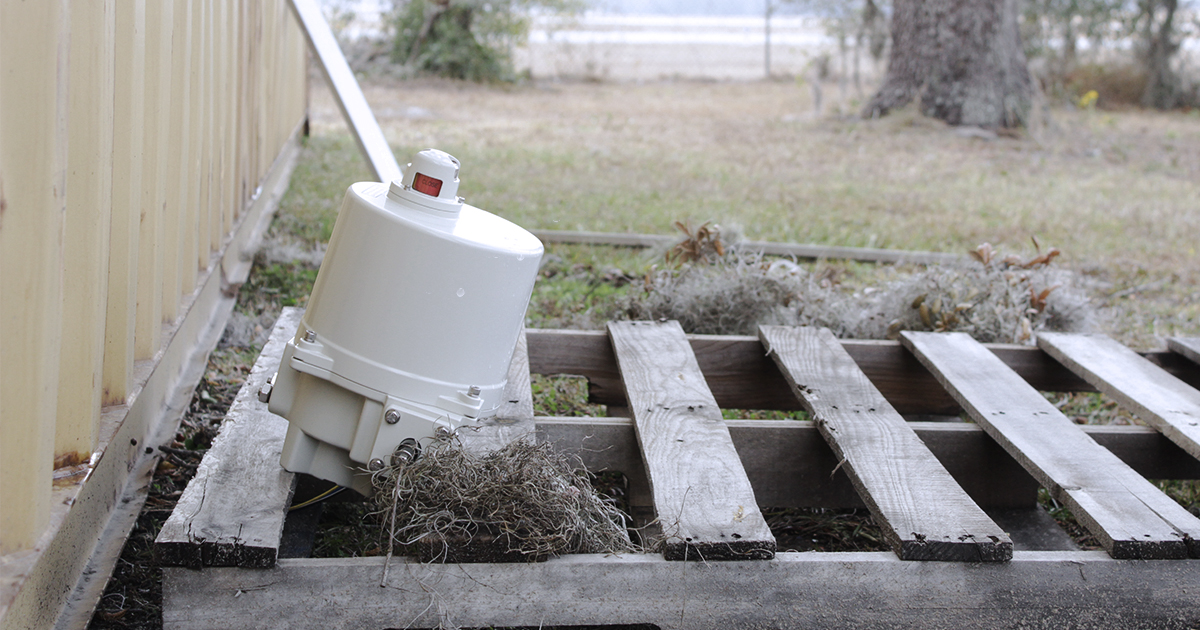
An electric actuator left outside.
Environmental Considerations: Temperature, Humidity, and Storage Location
One of the most important factors in actuator storage is the surrounding environment. Even when an actuator is brand new and still in its original packaging, environmental exposure can quietly cause damage over time.
Temperature and Condensation Risks
Cold weather storage presents a unique challenge: condensation. When temperatures fluctuate, especially in colder seasons, moisture can form inside an actuator enclosure. This condensation can affect internal electronics, wiring, and mechanical components.
Although shipping boxes provide some insulation, they are not a long-term solution alone. Many actuators end up stored in metal sheds or uninsulated spaces, which can amplify temperature swings and increase condensation risk.
A climate-controlled storage area is the best solution whenever possible. Keeping the environment stable reduces the chances of moisture buildup and protects internal components from both extreme cold and extreme heat.
Humidity and Moisture Exposure
Even actuators rated for harsh environments are not immune to humidity during storage. For example, all ProMation Engineering actuators feature a minimum NEMA 4 watertight enclosure, but that does not make them invulnerable to long-term moisture exposure.
Flood-prone areas, damp warehouses, or outdoor storage locations should be avoided. While the enclosure protects against water ingress during operation, condensation can still form internally when stored improperly.
To minimize moisture risks:
- Avoid high-humidity storage areas
- Use climate-controlled storage when possible
- Keep actuators shielded from rain and standing water
- Never store units directly on the ground
Some actuators include internal heaters, such as those offered by ProMation Engineering. However, it’s important to note that these heaters only activate when the actuator is powered. An unpowered actuator in storage will not benefit from internal heating.
Outdoor and Improvised Storage Risks
Sometimes, companies leave actuators outside simply because they don’t fit inside available storage spaces. This approach is strongly discouraged.
Outdoor storage exposes actuators to:
- Rain and wind
- Temperature extremes
- Debris and airborne contaminants
- Critters and insects that may damage seals
In high-wind environments, actuator components can shift or become damaged if not properly secured. Storage areas should be sturdy, enclosed, and protected from the elements.
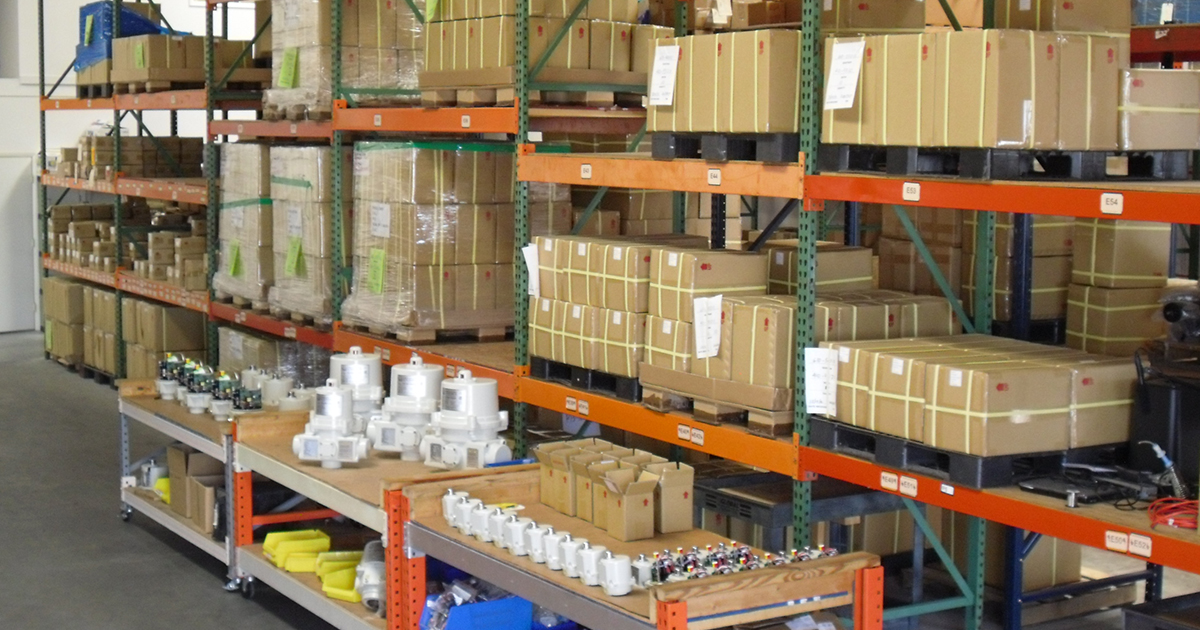
Proper Positioning, Packaging, and Physical Storage Practices
Beyond environmental factors, how an actuator is physically stored plays a major role in maintaining its integrity.
Original Packaging and Protective Materials
Most electric actuators are shipped with protective packaging, such as foam inserts or bubble wrap, especially for smaller units. When possible, keeping the actuator in its original packaging is recommended, as it was designed to support the unit’s weight and protect vulnerable components.
If the original packaging is unavailable:
- Use padding that prevents movement
- Avoid materials that trap moisture
- Ensure vents and seals remain unobstructed
Best Orientation for Storing Electric Actuators
The ideal storage position for most electric actuators is upright, particularly for long-term storage. This orientation helps ensure proper distribution of grease and lubrication within the gearbox.
Key orientation guidelines include:
- Upright storage: Best for long-term storage
- Side storage: Acceptable for short-term storage (generally six months or less, depending on actuator size)
- Upside-down storage: Never recommended
Storing electric actuators upside down can cause lubrication to shift away from critical gear components. Grease naturally settles at the bottom of the unit, and improper positioning may lead to insufficient lubrication when the actuator is eventually powered on.
Stacking and Load Considerations
Storage space constraints often lead to stacking, but this should be done cautiously:
- Large actuators: Avoid stacking whenever possible
- Smaller actuators: Generally acceptable to stack up to three units high
Excessive stacking can place uneven stress on housings, shafts, or mounting points. Over time, this may affect alignment or internal tolerances.
When stacking is unavoidable, ensure:
- Units are evenly supported
- Packaging can handle the load
- No pressure is applied to shafts or wiring entry points
Long-Term Storage, Maintenance, and Shelf Life Considerations
Even when stored perfectly, electric actuators are not designed to sit idle indefinitely without use.
Shelf Life and Periodic Operation when Storing Electric Actuators
The average shelf life of an electric actuator is approximately two to three years. During this time, it is highly recommended that the actuator be powered and cycled periodically.
Like most electronic and electromechanical devices, actuators benefit from regular operation. Running the actuator:
- Keeps internal components active
- Redistributes lubrication
- Helps prevent corrosion
- Identifies potential issues early
A common trouble spot in long-stored actuators is the potentiometer, which can degrade if left inactive for extended periods.
Cold Weather Effects on Lubrication
Extreme cold can impact lubrication performance over time. Grease may thicken, making it harder for gears to move freely when the actuator is first operated after storage.
This makes proper orientation, periodic cycling, and appropriate storage temperatures even more important, especially for large or high-torque units.
Protective Options for Harsh Environments
For applications or storage environments with elevated moisture or contamination risks, additional protective measures may be worth considering.
ProMation Engineering offers conformal coating, which provides an added layer of protection for electronic components. This coating helps guard against moisture, dust, and corrosion, offering extra peace of mind for actuators stored or used in challenging conditions.
Final Thoughts on Storing Electric Actuators
Properly storing electric actuators is not just about finding a place to put them—it’s about protecting performance, reliability, and long-term value. By controlling environmental exposure, using correct positioning, and periodically operating stored units, you can significantly reduce the risk of issues when the actuator is finally needed.
Whether you’re storing an actuator for a few months or several years, following these best practices will help ensure it performs exactly as expected when it’s time to go to work. If you have questions about storing electric actuators, need guidance for a specific application, or are in the market for a new actuator, ProMation Engineering is here to help. Feel free to contact us at 352-544-8436 or info@promationei.com. Our team is happy to provide expert support and solutions tailored to your application.
Want 7 Useful Tips for Installing an Electric Actuator? Click here.

 Previous Post
 Next Post