7 Useful Tips for Installing an Electric Actuator
Installing an electric actuator correctly is one of the most important steps in ensuring long-term reliability, safe operation, and consistent valve performance. Whether you are working in a water treatment facility, manufacturing plant, HVAC system, power generation environment, or industrial processing application, proper installation practices can help prevent downtime, reduce maintenance costs, and extend actuator life.
Many actuator issues are not caused by product defects. Instead, they often result from poor mounting orientation, improper wiring, moisture intrusion, incorrect conduit installation, or unsuitable power supply practices. By following proven installation guidelines, plant managers, OEMs, contractors, and system integrators can avoid common problems before they start.
This guide covers several practical tips for installing an electric actuator, including mounting orientation, conduit practices, heater usage, wiring recommendations, and positioning considerations.
Note: This post covers overall best practices for installing an electric actuator. For wiring diagrams, linkage components, cam adjustments, and additional information, please visit our product page or contact ProMation Engineering at 352-544-8436.
Why Proper Installation Matters
Electric actuators are designed to provide precise valve automation and dependable torque output. However, even a high-quality actuator can fail early if it is installed incorrectly.
Proper installation helps:
- Protect internal electronics from moisture and contamination
- Maintain enclosure integrity
- Ensure safe and reliable operation
- Prevent overheating and electrical issues
- Improve actuator lifespan
- Reduce unplanned downtime
- Maintain accurate valve positioning
1. Upright vs Horizontal vs Upside-Down Mounting
One of the most overlooked aspects of installing an electric actuator is mounting orientation. The position of the actuator affects moisture management, internal component protection, and long-term performance.
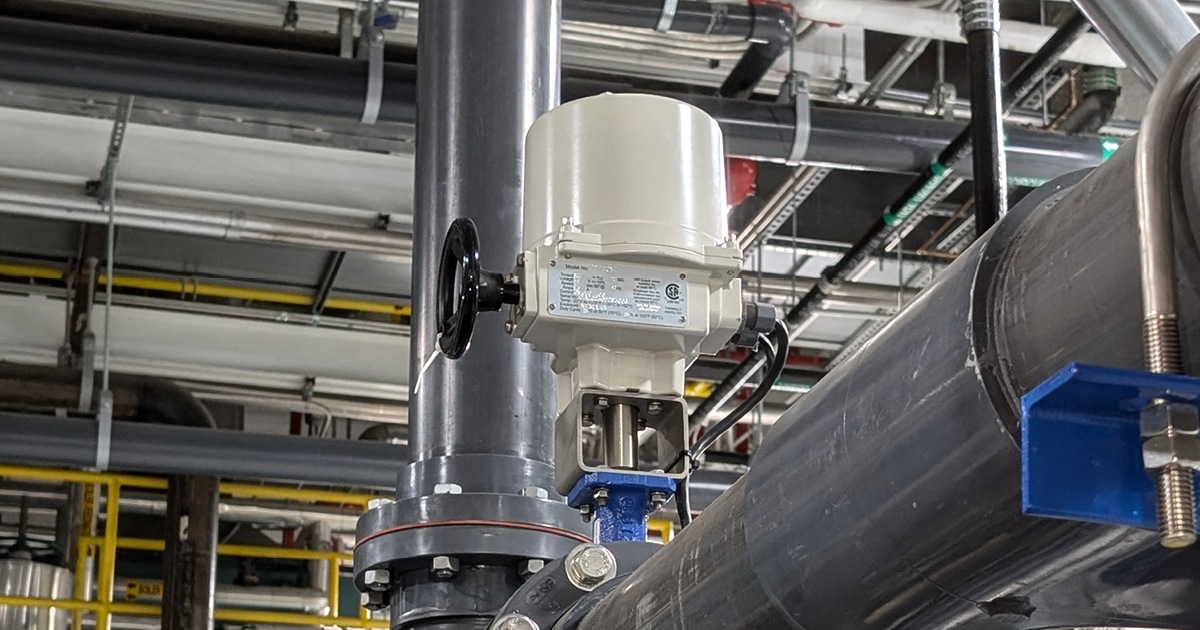
Upright Mounting Position
An upright mounting position is generally considered the ideal orientation for most electric actuators. In this setup, the actuator sits vertically above the valve with the top facing upward.
Benefits of upright installation include:
- Better protection against water intrusion
- Reduced risk of internal condensation buildup
- Improved drainage away from conduit entries
- Easier access for maintenance and manual override operation
- Ensures lubrication remains evenly positioned throughout the geartrain and other critical internal components
When Installing an Electric Actuator in an upright position, installers can typically achieve the best long-term environmental protection.
Horizontal Mounting Position
Horizontal mounting is also acceptable for many electric actuators. In this orientation, the actuator is mounted sideways while still maintaining the top of the actuator above a horizontal plane.
Horizontal installation is common when:
- Space restrictions prevent upright mounting
- Pipe layouts require side positioning
- Valve access is limited
However, extra care should be taken during conduit installation and sealing when installing an electric actuator horizontally. Moisture management becomes even more important in this orientation.
Why Upside-Down Mounting Should Be Avoided
Actuators should never be mounted with the top below a horizontal position.
The installation and operation guidelines for ProMation Engineering actuators state:
- These actuators are designed to be used between a horizontal and upright position
- Do NOT mount the assembly with the actuator top below a horizontal position
Installing an electric actuator upside-down can create several problems:
- Internal lubrication can migrate away from the geartrain and other essential components
- Water and condensation may collect around seals and conduit entries
- Internal heaters may become less effective
- Long-term reliability may decrease
Even if the actuator initially appears to function correctly, upside-down installation can shorten service life and increase the likelihood of failure.
2. Use Proper Conduit Installation Techniques
Conduit installation is another critical part of installing an electric actuator. Improper conduit practices can allow water, condensation, or contaminants to enter the actuator housing.
Install Drip Loops
One of the best ways to prevent moisture intrusion is by using drip loops. A drip loop creates a low point in the conduit routing before the conduit enters the actuator. This helps direct water away from the enclosure instead of allowing condensate to flow directly into the housing.
Without drip loops:
- Condensation can travel into the actuator
- Moisture may damage internal electronics
- Corrosion can develop over time
Protect Conduit Entry Points
NPT conduit ports must use proper equipment to maintain the rated integrity of the housing.
This means installers should use:
- Proper conduit fittings
- Correct sealing methods
- Approved cable glands where required
- Suitable environmental protection components
Failure to protect conduit entries can compromise the actuator enclosure rating.
When installing an electric actuator in wet or dusty environments, maintaining enclosure integrity is essential for dependable operation.
3. If Applicable, Always Use the Internal Heater
ProMation Engineering’s internal heaters play a very important role in actuator protection.
We strongly recommend using the internal heater in all applications.
Why the Heater Matters
Electric actuators often experience temperature changes that create condensation inside the housing. Even sealed enclosures can develop internal moisture due to changing ambient temperatures.
The heater helps:
- Reduce condensation buildup
- Protect internal electronics
- Maintain stable internal conditions
- Prevent corrosion
- Improve reliability in humid conditions
When installing an electric actuator, some installers may mistakenly believe heaters are only needed outdoors. In reality, indoor environments can also experience condensation problems.
Outdoor and Humid Environment Considerations
Actuators should not be installed outdoors or in humid environments unless they are powered up and the heater is functioning properly. This is extremely important because inactive heaters can allow moisture accumulation inside the housing.
Common high-humidity applications include:
- Wastewater facilities
- Cooling systems
- Outdoor process equipment
- Coastal environments
- Food processing facilities
- Chemical plants
Installing an electric actuator in these environments without active heater protection can lead to premature failure.
4. Verify Mechanical Travel Stops
At ProMation Engineering, mechanical travel stops are factory calibrated for 90-degree operation. A common mistake during installing an electric actuator is attempting to use these stops for major rotational adjustments. However, the stops are not designed to adjust mechanical rotation by more than +/- 3 degrees.
What the Stops Are Actually For
The mechanical stops are intended primarily for:
- Handwheel positioning
- Minor adjustment verification
- Mechanical limit protection
They are not intended to compensate for incorrect valve alignment or major setup errors.
Over-adjusting the travel stops can:
- Damage internal components
- Affect valve seating
- Cause torque issues
- Reduce positioning accuracy
Proper valve alignment should always occur before relying on stop adjustments.
5. Use Proper Wire Size and Power Supply Practices
Electrical installation quality has a direct impact on actuator performance. Improper wiring is one of the leading causes of actuator startup issues and long-term reliability problems.
Recommended Wire Size
The terminal connections for ProMation Engineering actuators accept 12-16 AWG solid or stranded wire.
Using the correct wire size helps ensure:
- Stable voltage delivery
- Reduced heat generation
- Reliable terminal connections
- Proper current handling
Installing an electric actuator with undersized wire can create voltage drop issues that affect motor performance.
Prevent Voltage Drop
Long cable runs and improper wire sizing can reduce voltage at the actuator.
Voltage drop may lead to:
- Reduced torque output
- Slow operation
- Intermittent performance
- Motor overheating
- Premature component wear
Always verify that the power supply and wiring configuration match actuator requirements before installing an electric actuator.
Check Power Supply Stability
Stable power is critical for electric actuators.
Before startup:
- Confirm voltage ratings
- Verify frequency compatibility
- Inspect grounding
- Check control wiring connections
- Confirm overload protection settings
Installing an electric actuator with unstable or incorrect power can damage internal electronics and reduce service life.
6. Inspect Before Startup
Before energizing the actuator for the first time, perform a complete installation inspection.
Key Pre-Startup Checks
Inspect the following:
- Mounting hardware tightness
- Proper orientation
- Conduit sealing
- Wiring accuracy
- Ground connections
- Heater functionality
- Manual override operation
- Valve alignment
- Environmental sealing
Taking a few extra minutes during installing an electric actuator can help avoid costly troubleshooting later.
7. Consider the Operating Environment
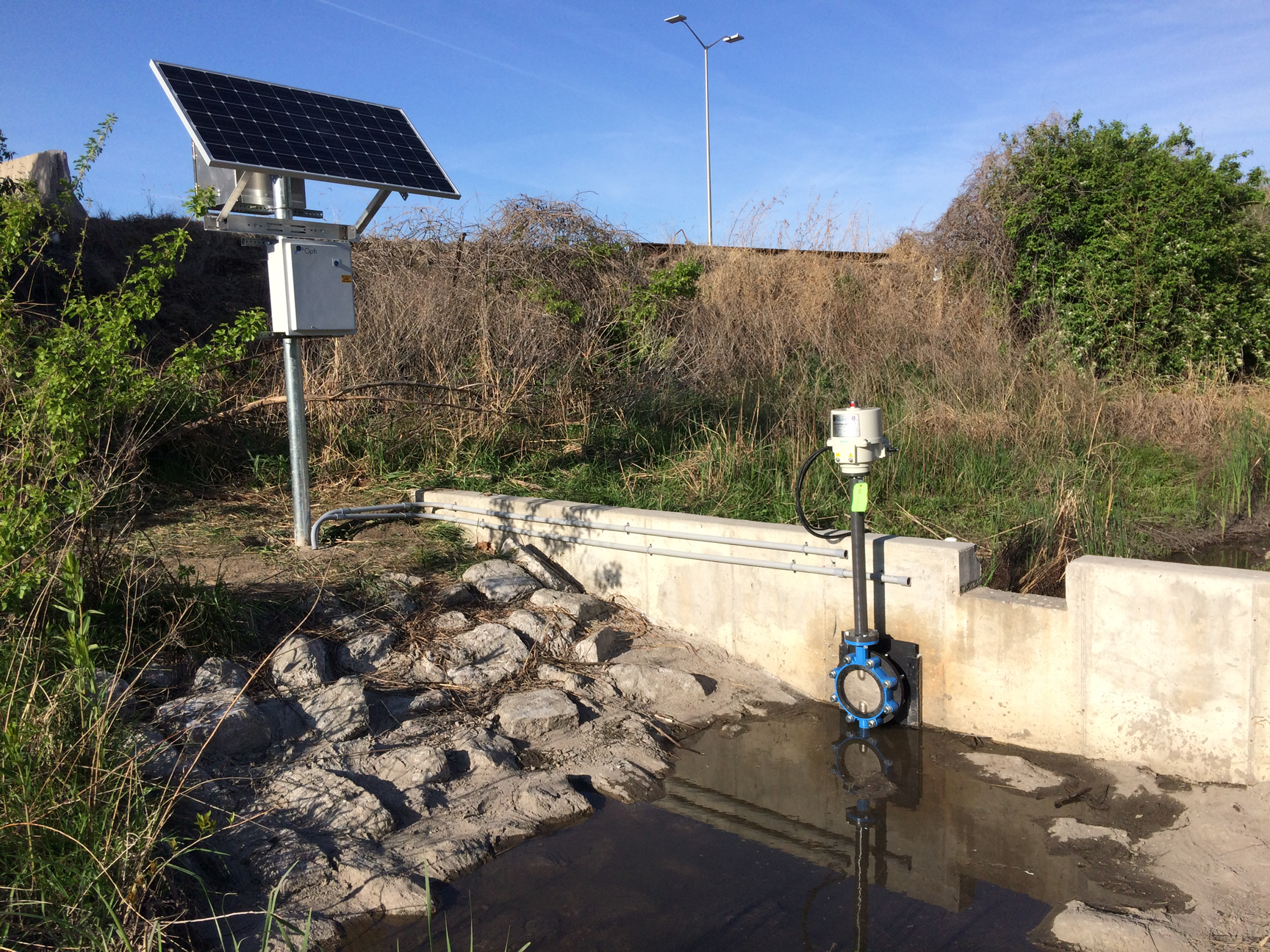
Every actuator application is different. Environmental conditions should always be evaluated before installation.
Temperature Considerations
Extreme temperatures can affect:
- Lubrication
- Electronics
- Seals
- Motor efficiency
When installing an electric actuator outdoors, verify the operating temperature range matches the application requirements.
Moisture and Washdown Areas
Applications involving washdowns or high moisture require additional attention.
Installers should verify:
- Proper enclosure ratings
- Sealed conduit fittings
- Active heaters
- Correct mounting orientation
Installing an electric actuator in harsh environments without environmental protection can shorten equipment life significantly.
Vibration Considerations
High-vibration environments may loosen electrical connections or mounting hardware over time.
In these applications:
- Recheck mounting bolts regularly
- Inspect terminal tightness
- Use vibration-resistant installation practices where needed
Avoid Common Installation Mistakes
Several common mistakes can reduce actuator performance or reliability.
Mistake 1: Mounting Upside-Down
As discussed earlier, installing an electric actuator upside-down can increase the risk of moisture intrusion and internal damage.
Mistake 2: Ignoring Heater Requirements
Some installers leave heaters disconnected to save energy or simplify wiring. This often leads to condensation-related failures.
Mistake 3: Improper Conduit Routing
Straight conduit runs without drip loops can direct moisture into the enclosure.
Mistake 4: Incorrect Wire Sizing
Undersized wiring can cause voltage drop and reduced actuator performance.
Mistake 5: Over-Adjusting Mechanical Stops
Travel stops are not designed for major rotational correction.
Avoiding these mistakes can dramatically improve long-term actuator reliability.
Final Thoughts on Installing an Electric Actuator
Installing an electric actuator correctly is about more than simply mounting it to a valve and applying power. Proper orientation, moisture protection, conduit practices, heater usage, wiring quality, and environmental awareness all contribute to reliable operation.
To summarize the most important installation tips:
- Mount actuators between horizontal and upright positions only
- Never install an actuator upside-down
- Use drip loops to prevent condensate intrusion
- Maintain proper conduit sealing
- Keep the internal heater active in all applications
- Use correct wire sizes and stable power supplies
- Avoid excessive travel stop adjustments
- Perform complete startup inspections
By following these best practices for installing an electric actuator, facilities can improve system reliability, reduce downtime, and protect valuable automation equipment for years to come.
Need additional information on electric actuation? Feel free to contact ProMation Engineering at 352-544-8436 or info@promationei.com. You can also fill out a form here and we will contact you promptly.

 Previous Post
 Next Post